Located in the department of Antioquia, the Guillermo Gaviria Echeverri Tunnel, also known as Punel del Toyo, is part of a comprehensive project that includes 17 tunnels, 30 bridges, and more than 16.7 km of new roads. Construction began on January 26, 2018, and once completed, it will allow operating speeds of up to 80 km/h.
The tunnel crosses the Western Andes Mountains at a depth of approximately 900 meters from Alto del Toyo, representing a technical challenge unprecedented in the country. Excavation required the removal of more than 1.7 million cubic meters of rock, equivalent to a line of dump trucks stretching from Medellín to beyond Cabo de la Vela in La Guajira.
Impact on logistics and time reduction
The entry into operation of the Toyo Tunnel will significantly reduce travel times between Medellín and the Urabá region. Currently, this journey can take up to 7 hours; with the new infrastructure, it is estimated that this time will be reduced to approximately 4 hours and 30 minutes.
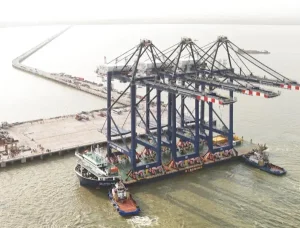
This improved connectivity will facilitate access to the ports to be built in Urabá, such as Puerto Antioquia, optimizing the logistics chain and reducing transportation costs for companies operating in the region.
LOGI.CO's role in this new scenario
As an industrial service provider in the Urabá Free Trade Zone, LOGI.CO Aliado Estratégico SAS is strategically positioned to take advantage of the benefits offered by the Toyo Tunnel. The reduction in transportation times will allow LOGI.CO to offer more efficient and competitive logistics solutions to its customers, strengthening its role as a strategic partner in foreign trade and domestic logistics.
Furthermore, the improved road infrastructure will facilitate the attraction of new investment to the region, boosting economic development and generating growth opportunities for companies established in the Urabá Free Trade Zone.
The Toyo Tunnel represents a milestone in Colombia's road infrastructure, with a significant impact on the country's logistics and economic development. For companies like LOGI.CO, this project offers a unique opportunity to strengthen their market position and contribute to the growth of the Urabá region.